

The 2026 Vaccination and Immunization Schedule recommended by the Spanish Association of Pediatrics (AEP) for children, adolescents and pregnant women residing in Spain includes the following new features: introduction of routine vaccination against hepatitis A with a single-dose schedule at 12–15 months; universal vaccination against influenza in children from 6 months and adolescents up to 17 years of age; catch-up vaccination and reengagement campaigns added to the routine immunization schedule and a new table featuring the vaccinations recommended for specific chronic diseases or risk conditions.
The following recommendations from the 2025 schedule, among others, are maintained: immunization with nirsevimab in infants younger than 6 months, or up to 12 months in the case of preterm infants born before 35 weeks of gestation and up to 24 months in children with risk factors; routine vaccination against meningococcal disease (MenB in infancy [starting at 2 months] and at 12 years, plus booster doses for those vaccinated in childhood with 4CMenB; MenACWY at 4 months, 12 months and 12 years); advancing the second doses of MMR and varicella vaccines to 24 months and the Tdap at 10–12 years; and vaccination against SARS-CoV-2 for children older than 6 months with risk factors. During pregnancy, vaccination with Tdap and against influenza and COVID-19 is indicated. Vaccination against RSV in pregnant women is available, although not funded, as it is not currently approved as a public health strategy.
El Calendario de Vacunaciones e Inmunizaciones de la Asociación Española de Pediatría (AEP) 2026 recomendado para niños, adolescentes y embarazadas residentes en España, presenta las siguientes novedades: Incorporación de vacunación sistemática frente a hepatitis A con pauta de dosis única a los 12–15 meses. Vacunación universal frente a gripe en niños desde los 6 meses y adolescentes hasta 17 años. Se añade a la tabla de inmunizaciones sistemáticas la vacunación de rescate y campañas de recaptación. Se incorpora una nueva tabla con las vacunaciones recomendadas según enfermedad crónica o condición de riesgo.
Se mantienen respecto al calendario 2025, entre otras, la inmunización con nirsevimab en <6 meses, hasta 12 meses en prematuros <35 semanas de gestación y hasta 24 meses en niños con factores de riesgo; la vacunación sistemática frente a los meningococos (MenB en lactantes con inicio a los 2 meses, y a los 12 años, más dosis de refuerzo en vacunados en la infancia con 4CMenB; MenACWY a los cuatro y doce meses, y a los 12 años); adelanto a los 24 meses de las segundas dosis de triple vírica y vacuna frente a varicela, y de la Tdpa a los 10–12 años; y vacunación frente al SARS-CoV-2 para mayores de seis meses con factores de riesgo. Durante el embarazo, están indicadas la vacunación con Tdpa así como frente a gripe y COVID-19. La vacunación frente al VRS en gestantes está disponible aunque no financiada, no estando aprobada actualmente como estrategia de Salud Pública.
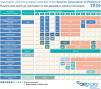
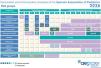
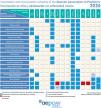
The Advisory Committee on Vaccines of the Asociación Española de Pediatría (CAV-AEP) presents the 2026 immunization Schedule recommended for children, adolescents and pregnant women residing in Spain (Figs. 1 and 2). The salient novelties are the introduction of routine vaccination against hepatitis A (HA) with a single dose given at age 12–15 months, universal vaccination against influenza in children from age 6 months and adolescents through age 17 years, inclusion of catch-up vaccination schedules and campaigns in the routine immunization schedule table, and the addition of a new table featuring the recommended vaccinations based on underlying chronic diseases or risk conditions (Fig. 3). We believe it is necessary to redouble efforts, from both public health administrations and primary care pediatric teams, to increase vaccination coverage. We insist on the need to create a National Immunization Committee, as well as to include pediatric experts in the decision-making committees that shape vaccination and immunization policy. We propose alternative funding strategies for immunizations that are not currently included in the routine schedule and ask for greater social commitment from pharmaceutical companies to facilitate population access to products intended for immunoprevention.

Vaccination and immunization schedule of the Spanish Association of Pediatrics: 2026 Recommendations. Routine Vaccination.
(1) Hepatitis B vaccine (HB). Three doses of hexavalent vaccine at 2, 4 and 11 months. Unvaccinated children and adolescents should be given 3 doses of monovalent vaccine on a 0, 1 and 6-month schedule.
(2) Diphtheria, tetanus and acellular pertussis vaccine (DTaP/Tdap). Five doses: primary vaccination with 2 doses (at 2 and 4 months) and booster at 11 months (third dose) with DTaP‑IPV‑Hib‑HB (hexavalent vaccine); at 6 years (fourth dose) with the standard load vaccine (DTaP‑IPV), preferable to the low diphtheria and pertussis antigen load vaccine (Tdap‑IPV), and at 10–12 years (fifth dose) with Tdap. In children previously vaccinated with the 3 + 1 schedule (at 2, 4, 6 and 18 months), it is possible to use the Tdap for the dose at age 6 years, as they do not need additional doses of IPV. Administration of Tdap is recommended in each pregnancy between weeks 27 and 36 of gestation, preferably weeks 27–28. In the case of probable preterm birth, it can be administered from week 20, after performance of the high‑resolution fetal ultrasound scan.
(3) Inactivated poliovirus vaccine (IPV). Four doses: primary vaccination with 2 doses, at 2 and 4 months, and booster doses at 11 months (with hexavalent vaccine) and 6 years (with DTaP-IPV or Tdap-IPV). Children previously vaccinated with the 3 + 1 schedule (at 2, 4, 6 and 18 months) require no additional doses of IPV. The vaccination schedule for children from countries that use the oral poliovirus vaccine (OPV) or who have received a combination of OPV and IPV doses can be found in our online immunization manual.
(4) Haemophilus influenzae type b conjugate vaccine (Hib). Three doses: primary vaccination at 2 and 4 months and booster dose at 11 months with hexavalent vaccine.
(5) Pneumococcal conjugate vaccine (PCV). Three or four doses: 2 + 1 series with PCV15 (at 2, 4 and 11 months) or 3 + 1 series with PCV20 (at 2, 4, 6 and 11 months).
(6) Rotavirus vaccine (RV). Two or three doses of RV: at 2 and 3–4 months with the monovalent vaccine, or at 2, 3, and 4 months or 2, 3–4, and 5–6 months with the pentavalent vaccine. To minimize the risk of intussusception, which is very low, vaccination must start between 6 and 12 weeks of life and be completed by 24 weeks for the monovalent vaccine and 33 weeks for the pentavalent vaccine. Doses must be given at least 4 weeks apart. Both vaccines may be given at the same time as any other vaccine (with the exception of the oral poliovirus vaccine, which is not currently distributed in Spain).
(7) Meningococcal B vaccine (MenB). 4CMenB. Three doses: start at age 2 months, with a series of 2 doses 2 months apart and a booster starting from age 12 months and at least 6 months after the last dose in the primary series; administration of the 4CMenB at the same time as all other vaccines in the schedule is recommended. In adolescence, routine vaccination at age 12 years with either of the two vaccines in unvaccinated individuals and, in those who have completed childhood vaccination, a booster dose with 4CMenB (use of a different vaccine is not allowed, as meningococcal B vaccines are not interchangeable). For unvaccinated individuals in all other age groups, catch-up vaccination with either vaccine (4CMenB or MenB-fHbp), always adhering to the minimum age authorised for it.
(8) Meningococcal ACWY conjugate vaccine (MenACWY). One dose of conjugate MenACWY conjugated with tetanus toxoid (MenACWY-TT) at age 4 months if the vaccine is included in the publicly funded immunization schedule of the autonomous community or, otherwise, the schedule found in the summary of product characteristics of the MenACWY-TT (Pfizer); booster dose at 12 months with MenACWY-TT (Pfizer or Sanofi). In adolescence (11–13 years), administration of 1 dose of MenACWY is recommended, in addition to catch-up vaccination through age 18 years. In autonomous communities where the MenACWY vaccine is not included in the routine immunization schedule at 4 and 12 months, if parents choose not to administer it, the MenC-TT vaccine funded by the regional government must be administered instead. For unvaccinated individuals in other age groups, catch-up vaccination with any of the three vaccines, adhering to the minimum age authorised for each of them.
(9) Vaccination against influenza. Recommended in all children and adolescents aged 6 months to 17 years with administration of an inactivated vaccine via the intramuscular route (some can be administered via deep subcutaneous injection) or, from age 2 years, preferably, with the intranasal live attenuated vaccine, as long as it is not contraindicated. A single dose should be given from age 6 months, except in children aged less than 9 years in risk groups, who should be given 2 doses 4 weeks apart if it is the first time they are vaccinated against influenza. The dose is 0.5 mL delivered intramuscularly in the case of the inactivated vaccine and 0.1 mL in each nostril in the case of the attenuated vaccine. Vaccination against influenza is recommended in pregnant women in any trimester or in the postpartum period within 6 months of birth if not vaccinated during pregnancy.
(10) SARS-CoV-2 vaccine. One dose during pregnancy in any trimester. In pregnant women who were vaccinated or had the infection before, the vaccine should be given at least 3 months after the last exposure event. Vaccination in the postpartum period within 6 months of delivery is also indicated if not performed during the pregnancy. The vaccine can be given at the same time as the influenza or Tdap vaccines.
(11) Hepatitis A vaccine. One dose between ages 12 and 15 months. In previously unvaccinated healthy children and adolescents, catch-up vaccination with one dose.
(12) Measles, mumps and rubella vaccine (MMR). Two doses of MMR vaccine. The first at age 12 months and the second at age 24 months. The quadrivalent MMRV vaccine may be administered for the second dose. In susceptible individuals outside the specified ages, vaccination with 2 doses of MMR at least 1 month apart is recommended. In children aged more than 2 years also susceptible to varicella, 2 doses of MMRV at least one month apart and preferably 3 months apart (on account of the varicella component).
(13) Varicella vaccine (Var). Two doses: the first one at 15 months (although it can be administered from age 12 months) and the second at age 24 months. The quadrivalent vaccine (MMRV) may be used for the second dose. In susceptible individuals outside the specified ages, vaccination with 2 doses of monovalent Var vaccine is recommended, at least 1 month apart, with a recommended 12-week interval between doses in children aged less than 13 years. In children aged more than 2 years who are also susceptible to measles, mumps and/or rubella, 2 doses of MMRV at least one month apart and preferably 3 months apart (on account of the varicella component).
(14) Human papillomavirus vaccine (HPV). Routine vaccination against HPV of all children, male or female, at age 10–12 years with a single dose. The higher valency vaccine (HPV9) is recommended. Publicly funded catch-up vaccination (with one dose) up to age 18 years in individuals of any sex. It can be administered at the same time as the MenACWY, hepatitis A and B and Tdap vaccines. There are no data for administration with the varicella vaccine, although it should not cause any problems.
(15) Immunization against respiratory syncytial virus (RSV). Administration of the RSVPreF vaccine to pregnant women between 24 and 36 weeks of gestation, preferably between weeks 32 and 36. The public health system will not fund it in the 2025–2026 season, although it will be available at community pharmacies. Administration of 1 dose of nirsevimab (an anti-RSV antibody) is recommended in all neonates born during the RSV season (October-March) and infants aged less than 6 months (born between April and September) at the beginning of the season.
![Vaccination and immunization schedule of the Spanish Association of Pediatrics: 2026 Recommendations. Risk Groups. (1) Hepatitis B vaccine (HB). Children of mothers positive for hepatitis B antigen (HBsAg+) will be given 1 dose of vaccine and 1 dose of hepatitis B immune globulin (HBIG) (0.5 mL) within 12 h of birth. In the case of unknown maternal serologic status, children will receive the vaccine within 12 h of birth and serological testing will be performed in the mother, followed by 0.5 mL of HBIG, preferably within 72 h of birth, if maternal HBsAg + status is confirmed. Infants vaccinated at birth will adhere to the routine schedule for the first year of life, and thus will receive 4 doses of HB vaccine. There are additional risk groups. (2) Haemophilus influenzae type b vaccine (Hib). One dose in previously unvaccinated children aged more than 59 months in risk groups: anatomic or functional asplenia, complement deficiency, treatment with eculizumab, ravulizumab or sutimlimab, infection by HIV or history of invasive disease by H influenzae. In unvaccinated or partially vaccinated children younger than 59 months, vaccinate according to the accelerated or catch-up vaccination schedule of the CAV-AEP. (3) Vaccination against pneumococcal disease (PCV). If the 20-valent pneumococcal polysaccharide vaccine (PCV20) is available, it should be administered preferentially instead of the 23-valent vaccine (PCV23) in children previously vaccinated with PCV13 or PCV15. In children fully vaccinated with PCV20 (primary series and booster) or who have received a dose of PCV20 to complete vaccination initiated with PCV13 or PCV15, it is not necessary to administer the PCV23 or additional doses of PCV20. The PCV23 vaccine is only indicated in children aged more than 2 years with diseases that increase the risk of pneumococcal infection and fully vaccinated with conjugated vaccine (PCV13 or PCV15), but only if the PCV20 vaccine is not available. The minimum interval required to administer the PCV20 or PCV23 after the last dose of PCV in children previously vaccinated with PCV13 or PCV15 is 8 weeks. (4) Meningococcal B vaccine (MenB). 4CMenB. Recommended in risk groups at any age from 1 year (infants under 1 year will be vaccinated according to the routine schedule): anatomic or functional asplenia, complement deficiency, treatment with eculizumab, ravulizumab, or sutimlimab, hematopoietic stem cell transplant recipients, infection by HIV, prior episode of invasive meningococcal disease (IMD) caused by any serogroup and contacts of an index case of IMD caused by serogroup B in the context of an outbreak. Subsequently, with the exception of children aged less than 2 years or with a history of IMD, 1 dose of MenB should be given one year after completion of the primary series and every 5 years thereafter. In the context of an outbreak of IMD caused by group B, patients in risk groups should be given a booster dose if at least 1 year has elapsed from completion of the primary vaccination series. From age 10 years, it is possible to use either of the two vaccines, always taking into account that they are not interchangeable. (5) Meningococcal ACWY conjugate vaccine (MenACWY). Children with risk factors for invasive meningococcal disease (IMD): anatomic or functional asplenia, complement deficiency, treatment with eculizumab, ravulizumab, or sutimlimab, hematopoietic stem cell transplant recipients, infection by HIV, prior episode of IMD caused by any serogroup and contacts of an index case of IMD caused by serogroup A, C, W or Y in the context of an outbreak. Primary vaccination at any age with 2 doses at least 2 months apart. If the risk persists, administration of a booster dose is recommended every 3 years in children aged less than 7 years and every 5 years in older children. Travellers to Mecca for pilgrimage or the African meningitis belt in the dry season must also be vaccinated with MenACWY. (6) Influenza vaccine. Recommended for all risk groups and household contacts from age 6 months. The risk groups relevant to this vaccine can be found in the document outlining the recommendations of the CAV-AEP for the 2025–2026 season. (7) SARS-CoV-2 vaccine. According to the recommendations of the Public Health Commission of Spain concerning vaccination against COVID-19 for the 2025–2026 season, vaccination is indicated from age 6 months in individuals with diseases considered a high or very high risk, receiving immunosuppressive treatment or who are household contacts of at-risk individuals as well as individuals aged 5 years or older living in residential facilities or institutionalised for prolonged periods. Monovalent vaccines against the LP.8.1 variant should be used or, if not available, with the KP.2 subvariant: 1 (preparations containing 3 µg [age 6 months–4 years], 10 µg [age 5−11 years] or 30 µg [age ≥ 12 years]) or Spikevax ((available as 0.1 mg/mL multidose vial to deliver 10 doses of 2.5 mL/25 µg [age 6 months–11 years] or 5 doses of 0.5 mL/50 µg [age ≥ 11 years]). Primary vaccination in individuals aged more than 6 months who have had the infection: single dose, at least 3 months after the infection, except in severely immunosuppressed patients who should receive a second dose at least 3 months after the first one. Primary vaccination in individuals with no history of infection: for those aged 5 years or older, a single dose; for children aged 6 months to 4 years, 3 doses (first and second dose at least 3 weeks apart and second and third dose at least 8 weeks apart) of Comirnaty 3 μg, or 2 doses of Spikevax (0.25 mL/25 µg) at 0 and 28 days. In children aged 6 months to 4 years who are partially vaccinated, complete the series with one of the new monovalent vaccines. Seasonal dose (autumn-winter 2025–2026) in risk groups: single dose, independently of the number of doses received in the past or the past history of infection, at least 3 months after the last dose of vaccine or episode of infection. The risk groups can be consulted in the recommendations published by the Ministry of Health or the online Immunizations Manual of the CAV-AEP. (8) Hepatitis A (HA). They must receive 2 doses of the vaccine separated by 6 months. The pre-exposure and post-exposure risk groups are detailed in our Manual. Infants aged 6–11 months traveling to risk areas can be given the vaccine, but it will not count as a valid dose toward the routine vaccination series, which will have to start over from age 12 months. (9) Human papillomavirus (HPV). Vaccination is indicated from age 9 years, always with 3 doses, in immunosuppressed individuals. Consult the Immunizations Manual for other risk groups. (10) Immunization against respiratory syncytial virus (RSV). Administration of nirsevimab (anti-RSV antibody) is recommended annually (for 2 seasons) in children aged less than 2 years with underlying diseases that increase the risk of severe RSV infection, preferably just before the usual start of the RSV season (October). In the second season, provided they weigh 10 or more kg, the dose will be 200 mg, administered in two 100 mg injections; if they weigh less than 10 kg, 100 mg will be given. Preterm infants born before 35 weeks (including those with gestational age < 29 weeks) will receive one dose of antibody before age 12 months (if they received a dose in the previous season, they may receive an additional dose of 100 mg [200 mg if they weigh 10 kg or more] at the start of the 2025–2026 season if they have not yet reached age 12 months).](https://static.elsevier.es/multimedia/23412879/0000010400000001/v1_202601220529/S2341287925004533/v1_202601220529/en/main.assets/gr2.jpeg?xkr=ue/ImdikoIMrsJoerZ+w9/qVHBXBqbSQ7FNUvNof+6+l4v03CmyaR9Rm+q8TRfDERovN5wMUmDVyYvA+rI0XvDqJnpxDUDYDXXSuzmAhIesV17/erhXfZBa75q/Puwz+XTaV3qyBtzDjn9NJcpFzbN6KSGy0rP9fmxODW/WbxMdfn5QS3iIR+emuDu2KVt92F6dmcrmMykULaJvCMiJBm/gUX2ET84Qz5AZ4G0MQjLb2IExl9mc2v7zMTvGYXgem3lk7veTgAjUgLudk/rbrn9rscA/pqbenr/NMAYofipI=)
Vaccination and immunization schedule of the Spanish Association of Pediatrics: 2026 Recommendations. Risk Groups.
(1) Hepatitis B vaccine (HB). Children of mothers positive for hepatitis B antigen (HBsAg+) will be given 1 dose of vaccine and 1 dose of hepatitis B immune globulin (HBIG) (0.5 mL) within 12 h of birth. In the case of unknown maternal serologic status, children will receive the vaccine within 12 h of birth and serological testing will be performed in the mother, followed by 0.5 mL of HBIG, preferably within 72 h of birth, if maternal HBsAg + status is confirmed. Infants vaccinated at birth will adhere to the routine schedule for the first year of life, and thus will receive 4 doses of HB vaccine. There are additional risk groups.
(2) Haemophilus influenzae type b vaccine (Hib). One dose in previously unvaccinated children aged more than 59 months in risk groups: anatomic or functional asplenia, complement deficiency, treatment with eculizumab, ravulizumab or sutimlimab, infection by HIV or history of invasive disease by H influenzae. In unvaccinated or partially vaccinated children younger than 59 months, vaccinate according to the accelerated or catch-up vaccination schedule of the CAV-AEP.
(3) Vaccination against pneumococcal disease (PCV). If the 20-valent pneumococcal polysaccharide vaccine (PCV20) is available, it should be administered preferentially instead of the 23-valent vaccine (PCV23) in children previously vaccinated with PCV13 or PCV15. In children fully vaccinated with PCV20 (primary series and booster) or who have received a dose of PCV20 to complete vaccination initiated with PCV13 or PCV15, it is not necessary to administer the PCV23 or additional doses of PCV20. The PCV23 vaccine is only indicated in children aged more than 2 years with diseases that increase the risk of pneumococcal infection and fully vaccinated with conjugated vaccine (PCV13 or PCV15), but only if the PCV20 vaccine is not available. The minimum interval required to administer the PCV20 or PCV23 after the last dose of PCV in children previously vaccinated with PCV13 or PCV15 is 8 weeks.
(4) Meningococcal B vaccine (MenB). 4CMenB. Recommended in risk groups at any age from 1 year (infants under 1 year will be vaccinated according to the routine schedule): anatomic or functional asplenia, complement deficiency, treatment with eculizumab, ravulizumab, or sutimlimab, hematopoietic stem cell transplant recipients, infection by HIV, prior episode of invasive meningococcal disease (IMD) caused by any serogroup and contacts of an index case of IMD caused by serogroup B in the context of an outbreak. Subsequently, with the exception of children aged less than 2 years or with a history of IMD, 1 dose of MenB should be given one year after completion of the primary series and every 5 years thereafter. In the context of an outbreak of IMD caused by group B, patients in risk groups should be given a booster dose if at least 1 year has elapsed from completion of the primary vaccination series. From age 10 years, it is possible to use either of the two vaccines, always taking into account that they are not interchangeable.
(5) Meningococcal ACWY conjugate vaccine (MenACWY). Children with risk factors for invasive meningococcal disease (IMD): anatomic or functional asplenia, complement deficiency, treatment with eculizumab, ravulizumab, or sutimlimab, hematopoietic stem cell transplant recipients, infection by HIV, prior episode of IMD caused by any serogroup and contacts of an index case of IMD caused by serogroup A, C, W or Y in the context of an outbreak. Primary vaccination at any age with 2 doses at least 2 months apart. If the risk persists, administration of a booster dose is recommended every 3 years in children aged less than 7 years and every 5 years in older children. Travellers to Mecca for pilgrimage or the African meningitis belt in the dry season must also be vaccinated with MenACWY.
(6) Influenza vaccine. Recommended for all risk groups and household contacts from age 6 months. The risk groups relevant to this vaccine can be found in the document outlining the recommendations of the CAV-AEP for the 2025–2026 season.
(7) SARS-CoV-2 vaccine. According to the recommendations of the Public Health Commission of Spain concerning vaccination against COVID-19 for the 2025–2026 season, vaccination is indicated from age 6 months in individuals with diseases considered a high or very high risk, receiving immunosuppressive treatment or who are household contacts of at-risk individuals as well as individuals aged 5 years or older living in residential facilities or institutionalised for prolonged periods. Monovalent vaccines against the LP.8.1 variant should be used or, if not available, with the KP.2 subvariant: 1 (preparations containing 3 µg [age 6 months–4 years], 10 µg [age 5−11 years] or 30 µg [age ≥ 12 years]) or Spikevax ((available as 0.1 mg/mL multidose vial to deliver 10 doses of 2.5 mL/25 µg [age 6 months–11 years] or 5 doses of 0.5 mL/50 µg [age ≥ 11 years]). Primary vaccination in individuals aged more than 6 months who have had the infection: single dose, at least 3 months after the infection, except in severely immunosuppressed patients who should receive a second dose at least 3 months after the first one. Primary vaccination in individuals with no history of infection: for those aged 5 years or older, a single dose; for children aged 6 months to 4 years, 3 doses (first and second dose at least 3 weeks apart and second and third dose at least 8 weeks apart) of Comirnaty 3 μg, or 2 doses of Spikevax (0.25 mL/25 µg) at 0 and 28 days.
In children aged 6 months to 4 years who are partially vaccinated, complete the series with one of the new monovalent vaccines. Seasonal dose (autumn-winter 2025–2026) in risk groups: single dose, independently of the number of doses received in the past or the past history of infection, at least 3 months after the last dose of vaccine or episode of infection. The risk groups can be consulted in the recommendations published by the Ministry of Health or the online Immunizations Manual of the CAV-AEP.
(8) Hepatitis A (HA). They must receive 2 doses of the vaccine separated by 6 months. The pre-exposure and post-exposure risk groups are detailed in our Manual. Infants aged 6–11 months traveling to risk areas can be given the vaccine, but it will not count as a valid dose toward the routine vaccination series, which will have to start over from age 12 months.
(9) Human papillomavirus (HPV). Vaccination is indicated from age 9 years, always with 3 doses, in immunosuppressed individuals. Consult the Immunizations Manual for other risk groups.
(10) Immunization against respiratory syncytial virus (RSV). Administration of nirsevimab (anti-RSV antibody) is recommended annually (for 2 seasons) in children aged less than 2 years with underlying diseases that increase the risk of severe RSV infection, preferably just before the usual start of the RSV season (October). In the second season, provided they weigh 10 or more kg, the dose will be 200 mg, administered in two 100 mg injections; if they weigh less than 10 kg, 100 mg will be given. Preterm infants born before 35 weeks (including those with gestational age < 29 weeks) will receive one dose of antibody before age 12 months (if they received a dose in the previous season, they may receive an additional dose of 100 mg [200 mg if they weigh 10 kg or more] at the start of the 2025–2026 season if they have not yet reached age 12 months).

Table 1 summarises the sources and literature search strategies used to develop the evidence-based recommendations presented in this document.
Bibliographic sources and literature search strategies (CAV-AEP).
| • TripDatabase: Advanced search: (disease) (vaccine) (vaccination) |
| • Cochrane Library: Disease AND vaccine |
| • MEDLINE/PubMed: (“disease/microorganism” [MeSH Terms]) AND (“vaccine” [MeSH Terms] OR “vaccination” [MeSH Terms]). Filters activated: birth-18 years, human (Sort by: Best Match) |
| • EMBASE: “disease”/exp AND “vaccine”/exp |
| • Official websites of the Ministry of Health and the Instituto de Salud Carlos III (ISCIII) |
| • Websites of medicines regulatory authorities: Agencia Española de Medicamentos y Productos Sanitarios (AEMPS) and European Medicines Agency (EMA) |
| • CAV-AEP. Summaries of product characteristics |
| • Government agencies or international advisory bodies involved in vaccine policy: ACIP (United States), JCVI (United Kingdom), STIKO (Germany), Public Health Agency of Canada, Australian Department of Health |
| • Communications and presentations in national and international congresses |
| • Primary sources (textbooks, references of articles selected in the search) |
| • Data obtained directly from authors (unpublished) |
| • Publications not indexed in databases |
| • Information obtained from the pharmaceutical industry |
Abbreviation: CAV-AEP, Advisory Committee on Vaccines of the Asociación Española de Pediatría.
2026 recommendation.Pertussis: one dose of tetanus and reduced diphtheria and acellular pertussis toxoid vaccine (Tdap) in each pregnancy from 27 weeks of gestation, preferably on weeks 27 or 28. Influenza and SARS-CoV-2: vaccination during the season in any trimester of pregnancy or in the postpartum period in the first 6 months if not vaccinated during pregnancy. Respiratory syncytial virus (RSV): when indicated as part of a public health strategy, administer a dose between weeks 24 and 36 of gestation, preferably between weeks 32 and 36.
Vaccination with Tdap in each pregnancy protects newborns and infants before the start of routine immunization.1 If preterm delivery is likely, it is possible to administer it from week 20, after performance of a high-resolution fetal ultrasound.
Pregnant women are at increased risk of complications and hospitalization due to influenza or SARS-CoV-2 infection, in addition to adverse perinatal events such as preterm birth and low birth weight. Vaccination against both is recommended and can be performed in any trimester of the pregnancy and up to 6 months postpartum if vaccination was not performed during the pregnancy; both vaccines can be administered at the same time. The SARS-CoV-2 vaccine should be administered independently of the number of previously received doses and at least 3 months apart from the last dose or the last known SARS-CoV-2 infection.2–4
The European Commission has authorized the bivalent RSV prefusion F protein subunit vaccine (RSVPreF) for use in pregnant women between 24 and 36 weeks (the CAV-AEP considers administration between 32 and 36 weeks preferable) for passive immunization of the offspring against RSV in the first months of life.5 The RSVPreF vaccine is available in pharmacies for dispensation with a physician’s prescription, but it is not publicly funded.
Vaccination against diphtheria, tetanus, pertussis, hepatitis B, Haemophilus influenzae type b and poliomyelitis2026 recommendation:2 + 1 series with hexavalent diphtheria, tetanus and acellular pertussis (DTaP), hepatitis B (HB), Haemophilus influenzae type b (Hib), and inactivated poliovirus (IPV) (DTaP-HB-Hib-IPV) vaccine (at 2, 4 and 11 months); DTaP-IPV at 6 years and Tdap at 10–12 years.
Vaccination with hexavalent vaccine in a 2 + 1 series is safe and effective. Following this series, immunization against tetanus, diphtheria, pertussis and poliomyelitis continues with administration of a fourth dose with DTaP-IPV at 6 years. Administration of one dose of Tdap at age 10–12 years boosts protection against pertussis in adolescents,6 completing the five-dose schedule for immunization against tetanus and diphtheria recommended for the population aged up to 65 years. For unvaccinated or partially vaccinated individuals, implement an accelerated catch-up schedule, using the vaccines and schedule recommended for the individual’s age.
Vaccination against hepatitis B (HB) with a three-dose series induces a strong seroprotective response (anti-HBsAg ≥ 10 mUI/mL) in 95% of healthy children and, while antibody levels decrease over time, the protection is long-lasting thanks to the induced immunological memory. Children of HBsAg-positive mothers will be given one dose of HB vaccine and one dose of hepatitis B immune globulin (HBIG) (0.5 mL) within 12 h of birth, followed by administration of the standard 2 + 1 hexavalent vaccine series, even if the child ends up receiving a total of four doses. Post-vaccination serologic testing should only be performed in risk groups, one to two months after the last dose of the recommended series, with administration of a booster dose if needed.7
Vaccination against pneumococcal disease2026 recommendation:routine vaccination of healthy infants with pneumococcal conjugate vaccine (PCV), with administration of 2 + 1 doses (at 2, 4 and 11 months) of 15-valent pneumococcal conjugate vaccine (PCV15) or 3 + 1 doses (at ages 2, 4, 6 and 11 months) of 20-valent pneumococcal conjugate vaccine (PCV20). Catch-up vaccination of unvaccinated children aged less than 5 years according to the recommended schedule for age.
Routine vaccination against pneumococcal disease with PCV has been found to have an impact on public health by reducing the burden of disease, especially among vaccinated individuals. A significant percentage of invasive pneumococcal disease cases in Spain are caused by nonvaccine serotypes (24F, 8, 33F), some of which are included in the extended-valency vaccines, PCV15 or PCV20.8 These vaccines play an important role in reducing antimicrobial resistance by decreasing the frequency of colonization and infection by vaccine serotypes.9
Currently, five autonomous communities (ACs) in Spain use PCV15 for routine vaccination of healthy infants, while 12 ACs and Ceuta and Melilla use PCV20. Galicia and Murcia also implemented a catch-up campaign with a dose of PCV20 in children of certain ages who had been previously vaccinated with PCV13.
Vaccination against rotavirus2026 recommendation:routine immunization of infants with a 2- or 3-dose series depending on the vaccine used.
Rotaviruses (RVs) are the leading cause of acute gastroenteritis in infants worldwide. No risk groups have been identified, with the exception of preterm infants, who may develop more severe forms of disease. Hygiene and disinfection measures have a limited impact on the control of RV, so vaccination is the best prevention strategy currently available.
The efficacy and safety profiles in preterm infants are similar to those in term infants. Hospitalized infants can receive the corresponding dose for their age, and hygiene measures must be implemented rigorously when changing diapers.
In countries that have been implementing routine immunization against RV for several years, the effectiveness of vaccination for prevention of severe disease has not decreased,10 while there has been no evidence of serotype replacement.11
All ACs have included routine immunization against rotavirus in their schedule, the last two to do so, in the second half of 2025.
Vaccination against meningococcal disease2026 recommendation:routine vaccination against group B meningococcus (MenB) starting at age 2 months with a 2 + 1 series and at 12 years with the schedule depending on previous vaccination, and against groups A, C, W and Y (MenACWY) at ages 4 months, 12 months and 12 years. Catch-up vaccination of individuals who are unvaccinated or with incomplete vaccination.
In Spain, invasive meningococcal disease (IMD) is associated with groups B, C, W and Y, and its incidence usually peaks in the first years of life and in adolescence. Group B is currently the most prevalent serogroup in every age group.12,13 Routine vaccination protects infants and adolescents from the serogroups that cause IMD, thus preventing a disease with unpredictable epidemiology and anticipating the logistic, economic and public health impact and the social alarm resulting from the occurrence of cases and outbreaks of disease.14,15
For infants, we maintain the recommendation of replacing the meningococcal, tetanus toxoid (TT) conjugate quadrivalent vaccine (MenC-TT) dose given at 4 and 12 months with MenACWY-TT. In ACs where MenACWY is not the vaccine routinely administered at age 4 months, if the parents or legal guardians of the child wish to replace the MenC by the MenACWY, the schedule specified in the summary of product characteristics should be implemented according to the child’s age.
Adolescents not previously vaccinated against MenB should be vaccinated with a two-dose series with any of the available vaccines, and those previously vaccinated with 4CMenB should receive a booster dose of this vaccine, as immunity wanes over time.16 Vaccination with 4CMenB may also offer additional protection against gonococcus.17
The CAV-AEP recommends catch-up vaccination of all unvaccinated children and adolescents, using the vaccines and schedules recommended for their age.
Immunization against influenza2026 recommendation:vaccination during the season of all children and adolescents aged 6 months to 17 years, with particular emphasis on individuals in risk groups and their household contacts. Also recommended for household contacts of infants aged less than 6 months, pregnant women and health care workers. The intranasal vaccine is preferred from age 2 years, unless it is contraindicated.
Each year, influenza affects between 30 and 40 percent of the pediatric population, which plays a key role in the transmission of the disease.18
In the United States, the increasing trends in the rate of hospitalization and in mortality due to influenza observed in children and adolescents since the COVID-19 pandemic continued in the 2024–2025 season. In this season, based on data through week 35 (FluView, CDC), the number of deaths (280) associated with seasonal (non-pandemic) influenza in children aged less than 18 years was the highest since 2004 (the year from which notification became mandatory), and 61% occurred in the group aged 5–17 years.
In terms of vaccine effectiveness (VE), a study conducted in Spain found an adjusted VE of 70% against acute respiratory infection managed at the primary care level and 77% against severe infection requiring hospitalization in patients aged 6–59 months in the 2023–2024 season.19
All vaccines available for the 2025–2026 season are trivalent.4
Measures need to be implemented to increase vaccination coverage, for both routine vaccination and vaccination of risk groups.
Vaccination against SARS-CoV-22026 recommendation:vaccination of individuals at increased risk of complications or severe disease in the case of becoming infected, as well as their household contacts.
The CAV-AEP recommends a single dose of SARS-CoV-2 vaccine in children aged more than 6 months with risk factors who are not immunosuppressed (regardless of the number of doses received in previous seasons or the history of infection), as well as immunosuppressed patients who have received a complete primary series in previous seasons. However, children aged 6–59 months who are immunosuppressed and individuals aged more than 6 months who are immunosuppressed and at high risk of severe COVID-19 (hematopoietic stem cell transplant [HSCT], chimeric antigen receptor T-cell therapy [CAR-T], or solid organ transplant recipient; chronic kidney disease; HIV infection with low CD4 count [<200 cells/μL]; certain primary immunodeficiencies; certain immunosuppressive therapies) who have not received a complete primary series in previous seasons and without a previous history of SARS-CoV-2 infection should be vaccinated with three doses (at 0, 3, and 8 weeks). In addition, immunosuppressed patients who are at high risk of severe COVID-19 should receive one more dose at least three months after the last dose of SARS-CoV-2 vaccine or infection, an interval that can be reduced to three weeks if they are starting or increasing the intensity of immunosuppressive therapy.3 The same four-dose series should be given to patients who are vaccinated for the first time following HSCT or CAR-T therapy, independently of the vaccination or infection history.
For the 2025–2026 season, the recommended mRNA vaccines will be those adapted to the new LP.8.1 variant.3
Vaccination against hepatitis A2026 recommendation:routine vaccination with a single dose of hepatitis A vaccine (HA) at age 12–15 months. Catch-up vaccination with one dose for previously unvaccinated healthy children and adolescents. Can be co-administered with any other vaccine.
In December 2024, the Ministry of Health conducted a rapid risk assessment in response to the increase in HA cases.20 By week 35 of 2025, 1209 cases had been reported (compared to 629 in the same period the previous year),21 surpassing the total number of cases in 2024 (1002).22
The World Health Organization (WHO) recommends including the HA vaccine in national vaccination programs to be given from age 12 months in the event of an upward trend in the disease, including severe cases, in older children, adolescents, or adults, with administration of one or two doses of vaccine.23 The single-dose strategy has been found to be effective25,26 as well as cost-effective.23,24
The epidemiology of infection and disease in communities and countries with universal vaccination programs indicates that vaccination provides indirect protection to unvaccinated individuals (herd immunity).
Vaccination against measles, mumps and rubella (MMR)2026 recommendation:first dose at age 12 months using MMR vaccine, 2nd dose at 24 months with MMR or the combined measles, mumps, rubella and varicella vaccine (MMRV). In previously unvaccinated children and adolescents, catch-up vaccination is recommended, with administration of two doses at least four weeks apart.
Since late 2022, there has been an increase in the number of cases and outbreaks of measles, both globally and domestically, a trend that has continued in 2025. An increase in the risk of exposure to the virus is expected among the population residing in Spain, both locally and during international travel, due to the resurgence of cases worldwide and in neighboring countries.27
According to SIVAMIN, in 2024 the overall vaccination coverage was 96.6% for the first dose and 91.7% for the second dose. Continued efforts must be made to maintain a vaccination coverage greater than 95% for each of the two doses in every AC. To this end, we recommend administration of the first dose at age 12 months and the second at age 24 months in order to reduce the risk of transmission in unvaccinated or partially vaccinated children. It is also essential to improve vaccination rates in hard-to-reach groups or groups with low vaccination coverage.
A first dose of MMR administered erroneously or for other reasons between age 11 and 12 months is considered valid. When vaccination of infants aged less than 12 months is necessary for epidemiological reasons, the MMR vaccine can be given between 6 and 10 months of age; however, it will still be necessary to administer two additional doses from age 12 months at least 4 weeks apart.
Any contact with the health care system should be considered an opportunity to review the vaccination history and for catch-up vaccination against measles, and the vaccination status of health care workers should also be verified.28
Vaccination against varicella2026 recommendation:first dose at age 15 months in the form of monovalent vaccine (Var), second dose at 24 months. The combined measles, mumps, rubella, and varicella vaccine (MMRV) can be administered for the second dose. In unvaccinated children and adolescents without a history of varicella, catch-up vaccination with two doses is recommended.
The vaccines currently available are two monovalent vaccines and the MMRV, all of which are live attenuated vaccines and highly effective (92%–97%). The standard vaccination schedule consists of two doses at least one month apart (three months recommended).
We continue recommending separate administration of the MMR and varicella vaccines for the first dose of the series in children aged less than 2 years due to the increased risk of febrile seizures. The MMRV vaccine is administered for the second dose in 13 ACs.
The current evidence suggests that the incidence of herpes zoster is lower in individuals vaccinated against varicella compared to individuals with a history of natural infection.29
Vaccination against human papillomavirus2026 recommendation:routine vaccination at age 10–12 years with one dose of 9-valent vaccine (HPV9).
Vaccination against human papillomavirus (HPV) is most effective when the vaccine is given at an early age, prior to sexual debut. When given before age 14 years, it achieves higher seroconversion rates, antibody titers and protection against HPV and related diseases,30 such as cervical cancer31,32 and anal high-grade precancerous lesions.33 Vaccination of older adolescents and young adults continues to be beneficial but is slightly less effective.32
Administration of HPV vaccine compared to placebo is associated with a higher frequency of local reactions, fatigue, and myalgia, without significant differences in other adverse events.34 There is no evidence of an increased risk of autoimmune disease following vaccination against HPV.35
The single-dose vaccination strategy has the advantage of improving program efficiency and, although it generates lower antibody levels compared to two- or three-dose strategies,36 the levels remain at high-enough ranges to be considered protective for at least 16 years.37 The impact of the single-dose vaccination strategy on the incidence of precancerous lesions and cancers attributable to HPV needs to be closely monitored.
Immunization against respiratory syncytial virus2026 recommendation:administration of nirsevimab during the season to all infants aged less than 6 months, preterm infants born before 35 weeks up to age 12 months and children aged less than 2 years with risk factors.
A systematic review and meta-analysis that included studies conducted in five countries (France, Italy, Luxembourg, Spain, and the USA) found a real-world effectiveness of 83% against hospitalization due to respiratory syncytial virus (RSV), 81% against admission to the intensive care unit (ICU), and 75% against lower respiratory tract infection (LRTI) after administration of more than 400 000 doses.38
The NIRSE-GAL study, a population-based longitudinal study on the effectiveness of universal nirsevimab prophylaxis against RSV in the 2023–2024 season in infants aged 0–24 months in Galicia (Spain), the first such study conducted in Europe, found an effectiveness of 70.7% against hospitalization due to RSV-related LRTI and an effectiveness of 80.3% against the need of oxygen therapy. The median reduction in RSV-related LRTI hospitalizations compared to previous seasons was 89.5% in the overall cohort and 95.2% in the seasonal cohort. The number needed to immunize (NNI) to prevent one hospitalization due to RSV was 30 for the overall cohort and 16 for the seasonal cohort. There were no serious adverse events and the effectiveness was sustained throughout the season.39
In Chile, the NIRSE-CL study found an effectiveness of 76.4% against hospitalization due to RSV-related LRTI and of 84.9% against admission to the ICU. Thirty hospitalizations were prevented per 1000 immunized infants, with a NNI of 35. There were no deaths due to RSV in the immunized cohort, compared to 13 deaths the year before.40
Nirsevimab is currently approved in 62 countries. In June 2025, the Food and Drug Administration of the United States approved another monoclonal antibody that has an extended half-life, clesrovimab (Enflonsia). Clesrovimab is administered as a single 105 mg dose, irrespective of weight. The phase 2b/3 trial, which included preterm infants born at or before 29 weeks of gestation and term infants, found a 60.5% reduction in medically attended RSV-associated LRTI and an 84.3% reduction in RSV-related hospitalizations compared with placebo during the first five months of life. The results of the phase 3 trial in infants at increased risk of severe RSV-associated LRTI support the safety and efficacy of clesrovimab in this population.
FundingThe development of these recommendations (analysis of the published data, debate, consensus and publication) has not been supported by any funding source outside of the logistic support provided by the AEP.
FJAG has collaborated in educational activities funded by AstraZeneca, GlaxoSmithKline, MSD, Pfizer and Sanofi and as a consultant in GlaxoSmithKline, MSD, Pfizer and Sanofi advisory boards.
AIA has collaborated in educational activities funded by AstraZeneca, GlaxoSmithKline, MSD and Pfizer and as a consultant in GlaxoSmithKline and Pfizer advisory boards. He has also received funding from GlaxoSmithKline, MSD and Pfizer to attend domestic educational activities.
JAA has collaborated in educational activities funded by AstraZeneca, GlaxoSmithKline, MSD, Pfizer, Sanofi and Seqirus, as a researcher in clinical trials for GlaxoSmithKline and Sanofi and as a consultant in AstraZeneca, GlaxoSmithKline, MSD, Pfizer and Sanofi advisory boards.
EGL has received funding to attend domestic educational activities and has participated in educational activities funded by GlaxoSmithKline, MSD, Pfizer and Sanofi, as a researcher in clinical trials for GlaxoSmithKline and MSD and as an advisory board consultant for GlaxoSmithKline.
LLG has collaborated in educational activities funded by AstraZeneca, GlaxoSmithKline, MSD, Moderna and Sanofi and as an advisory board consultant for MSD, Pfizer and Sanofi. She has also received funding from Pfizer and Sanofi to attend educational activities in Spain and abroad, and received grants sponsored by GlaxoSmithKline.
MLNG has collaborated in educational activities funded by Gilead, GlaxoSmithKline, Janssen, MSD, Pfizer and ViiV, as a consultant in Abbott, AstraZeneca, Novartis and ViiV advisory boards and as a researcher in clinical trials sponsored by GlaxoSmithKline, Pfizer, Roche and Sanofi.
VPS has received funding from MSD, Pfizer and Sanofi to attend educational activities in Spain and abroad, has collaborated in educational activities funded by AstraZeneca, GlaxoSmithKline, MSD, Pfizer and Sanofi and as a consultant in GlaxoSmithKline, Pfizer and Sanofi advisory boards.
IRC has collaborated in educational activities funded by GlaxoSmithKline, MSD, Moderna, Pfizer and Sanofi, as a researcher in vaccine clinical trials for Abbot, AstraZeneca, Enanta, Gilead, GlaxoSmithKline, HIPRA, Janssen, Medimmune, Merck, Moderna, MSD, Novavax, Pfizer, Reviral, Roche, Sanofi and Seqirus and as a consultant in GlaxoSmithKline, MSD, Pfizer and Sanofi advisory boards.
JRC has collaborated in educational activities funded by GlaxoSmithKline, MSD, Pfizer and Sanofi and as a researcher in clinical trials for GlaxoSmithKline and Pfizer.
ISC has collaborated in educational activities funded by GlaxoSmithKline, MSD, Moderna, Novavax, Pfizer, Sanofi and Seqirus, as a researcher in vaccine clinical trials for Ablynx, Abbot, Almirall, Allergan, Astra Zeneca, Biomedal, GlaxoSmithKline, Janssen, Lilly, Medimmune, Merck, MSD, Moderna, Nestlé, Novavax, Novartis, Nutricia, Pfizer, Roche, Regeneron, Sanofi, Seqirus and Wyeth and as a consultant in Astra Zeneca, GSK, MSD, Moderna, Novavax, Pfizer and Sanofi advisory boards.
PSM has collaborated in educational activities funded by Astra-Zeneca, GlaxoSmithKline and MSD, as a researcher in clinical trials for Sanofi and as a consultant in GlaxoSmithKline and Sanofi. He has also received funding from GlaxoSmithKline, MSD and Pfizer to attend educational activities in Spain and abroad, and received grants sponsored by GlaxoSmithKline.
We thank Javier Arístegui, María José Cilleruelo Ortega, José María Corretger, María Garcés Sánchez, Nuria García Sánchez, Ángel Hernández Merino, Manuel Merino Moína, Abián Montesdeoca Melián and Luis Ortigosa for providing internal consultation in the development and drafting of these recommendations.
Francisco José Álvarez García. Pediatrician. Centro de Salud de Llanera. Asturias. Associate Professor of Health Sciences. Department of Medicine. Universidad de Oviedo.
Antonio Iofrío de Arce. Pediatrician. Centro de Salud El Ranero. Instituto Murciano de Investigación Biosanitaria Pascual Parrilla (IMIB).
Javier Álvarez Aldeán. Pediatrician. Malaga.
Elisa Garrote Llanos. Pediatrician. Section of Infectious Diseases, Hospital Universitario Basurto. Bilbao. Associate professor. School of Medicine. Universidad del País Vasco. UPV-EHU.
Lucía López Granados. Pediatrician. Centro de Salud El Restón. Valdemoro. Madrid.
María Luisa Navarro Gómez. Pediatrician. Department of Pediatrics. Hospital Universitario Gregorio Marañón. Madrid. Associate professor. Department of Pediatrics. School of Medicine. Universidad Complutense de Madrid. CIBER ISCIII and IISGM
Valentín Pineda Solas. Pediatrician. Section of Pediatric Infectious Diseases of Hospital Universitario Parc Taulí-Sabadell. Barcelona. Associate professor. Universidad Autónoma de Barcelona.
Irene Rivero Calle. Pediatrician. Section of Clinical and Translational Pediatrics and Pediatric Infectious Diseases. Hospital Clínico Universitario de Santiago de Compostela. La Coruña. Spokesperson for the Sociedad Española de Infectología Pediátrica (SEIP). Member of the Group on Genetics, Vaccines, Infection, and Pediatrics (GENVIP).
Jesús Ruiz-Contreras. Pediatrician. Madrid.
Ignacio Salamanca de la Cueva. Family physician. Head of vaccine research at the Instituto Hispalense de Pediatría (IHP). Seville.
Pepe Serrano Marchuet. Pediatrician. Barcelona.